Wednesday, December 31, 2025

The Tocqueville Paradox and other mental models


To understand why modern society feels so broken, you need to look at the underlying laws that drive human behavior... Once you understand these ideas, your worldview changes. 11 mental models/cognitive biases/rules that run the modern world... 1. The Zebra Effect This explains why people are terrified to stand out. Biologists found they couldn't track a single zebra because the herd's stripes acted as visual noise. When they marked one zebra with a red dot, the lions immediately isolated and killed it. The modern urge to conform isn't cowardice; it's evolutionary biology at work. - 2. The Tocqueville Paradox As living standards rise, people become *less* satisfied, not more. When social conditions improve, the remaining inequalities or irritants become more glaring and intolerable. This explains why the most prosperous generation in human history is also the most outraged and resentful. - P.S. If you want my complete collection of the BEST, most useful mental models, cognitive biases, and mental fallacies, grab a free copy here: besuperhuman.gumroad.com/l/mentalmodels - 3. Gall's Law A complex system that works is invariably found to have evolved from a simple system that worked. You cannot design a complex system from scratch (like a new economy or government program) and expect it to function. It will fail. This is why modern technocratic "top-down" solutions almost always end in disaster. - 4. Mimetic Desire RenĂ© Girard’s theory that we don’t truly know what we want. We only want things because *other people* want them. We don't desire objects; we desire the status of the model who owns the object. Social media has weaponized this, creating a global feedback loop of envy and "borrowed" desires that leads to infinite competition. - 5. Chesterton’s Fence If you see a fence in a field, don’t tear it down until you understand why it was put there. Ancient traditions and social norms may look useless to the modern eye, but they are often holding back wolves you’ve never had to fight. Dismantling "outdated" structures without understanding them is suicide. - 6. The "Ruler’s Paradox" (Principal-Agent Problem) The person in charge is rarely in charge. An executive cannot implement ideas on the ground because the bureaucrats (middle management) have their own incentives and act as a filter. Nicholas II realized this too late: “I never ruled Russia. 10,000 clerks ruled Russia.” - 7. Parkinson’s Law Work expands to fill the time available, and bureaucracy expands regardless of work. When the British Navy decreased its ships from 68 to 20, the number of dockyard officials increased by 78%. Institutions inevitably become bloated, slower, and worse over time as clerks manufacture work for other clerks. - 8. Preference Falsification (New) Timur Kuran’s concept that people lie about their private beliefs to fit the perceived public consensus. This creates a "house of cards" society where a view seems dominant (because everyone is parroting it), but is actually fragile. Once a few people speak the truth, the facade collapses instantly. - 9. The Medici Effect Innovation happens at the intersection of fields. The Renaissance occurred because the Medicis funded sculptors, philosophers, and scientists to live and work in proximity. Today, the internet is the ultimate Medici engine, allowing for a cross-pollination of ideas that traditional education tries to segregate. - 10. The Centipede's Dilemma If you ask a centipede which leg moves fastest, it will trip and forget how to walk. Hyper-analysis destroys natural competence. We are currently seeing a culture of endless self-reflection, therapy-speak, and navel-gazing that is ironically eroding our ability to function as resilient human beings. - 11. Minimal Self Hypothesis Narcissism is actually a "strategic retreat." When the world feels random, dangerous, and overwhelming, people retreat into the only thing they can control: themselves. The self becomes "minimal" to reduce surface area to pain. This is why people are abandoning long-term commitments (marriage, career, community) to conserve energy for vague, upcoming disasters. P.S. If you want my complete collection of the BEST, most useful mental models, cognitive biases, and mental fallacies, grab a free copy here: besuperhuman.gumroad.com/l/mentalmodels


Tuesday, December 30, 2025

Human hardware and software


Humans are hardware. Cultures are software. We have fundamentally the same hardware, but adopt very different software. Not all software is compatible. America's software is built on universal principles and respect for law. Developing countries often run software that prioritizes tribe, custom, and heritage. That's okay. But it's incompatible. When an immigrant comes to America, they need to choose America's software over the software of the place they're leaving. Otherwise, America gets buggy and dysfunctional. Some countries have software more similar to America - and immigrants from those places will likely have an easier time integrating. That's pattern recognition, not prejudice. But the promise of America is that anyone who adopts our software and adds value to the lives of people already here gets to be here. You don't get to be here just because you want to be here. You need to bring something to the table. Millions of people want to come. We can have empathy for all of them, but we can't accommodate all of them. That's why merit-based immigration is the only rational path forward. Don't let people scare you into silence by calling you racist for recognizing this. This is how citizens of other countries approach their country. Why should America be any different?


Saturday, December 27, 2025

Cognitive biases graphics


https://x.com/GeniusGTX/status/2004140759273164952

https://x-threadreader.com/thread/2004140759273164952.html


GeniusThinking

@GeniusGTX

View Original Tweet

Yesterday, 3M people found my weird obsession with cognitive biases.

A "cognitive bias" is a systematic error in thinking that destroys decision-making.

7 more of the most powerful (and dangerous) cognitive biases I've found: đŸ§µ

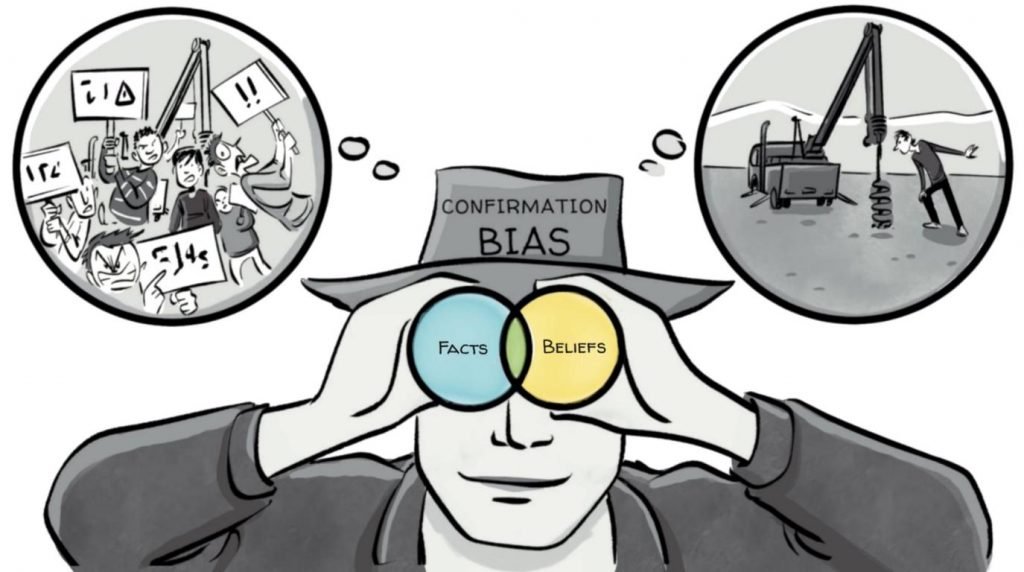
1. Confirmation Bias:

Tweet image

1. Confirmation Bias:

We search for information that supports our beliefs and reject anything that contradicts them.

If you hate a specific politician, you only read news that makes them look bad.

You don't want the truth; you want to be right.

Tweet image

P.S. If you want my complete collection of the best, most useful mental models, cognitive biases, and mental fallacies, grab a free copy here:

Now back to the thread. đŸ‘‡

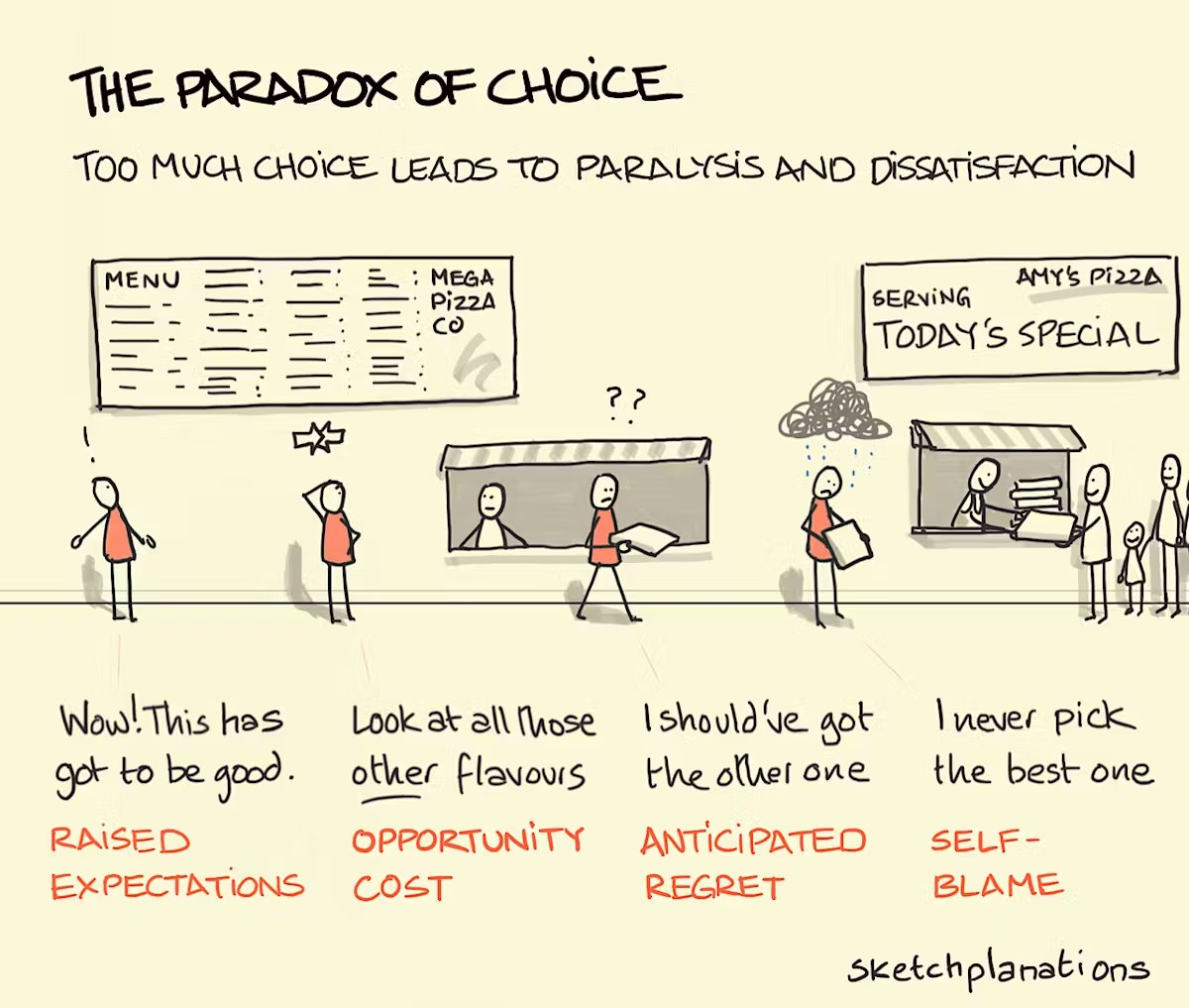
2. The Paradox of Choice:

Having too many options leads to anxiety and analysis paralysis, not freedom.

A menu with 50 pages makes it impossible to order dinner. A Netflix queue with 1,000 movies makes you watch nothing.

Constraints create freedom.

Tweet image

3. The Pygmalion Effect:

Higher expectations lead to an increase in performance.

If a leader believes a team member is a "top performer," that person subconsciously improves to meet that belief.

Treat people like they are capable, and they will become capable.

Tweet image

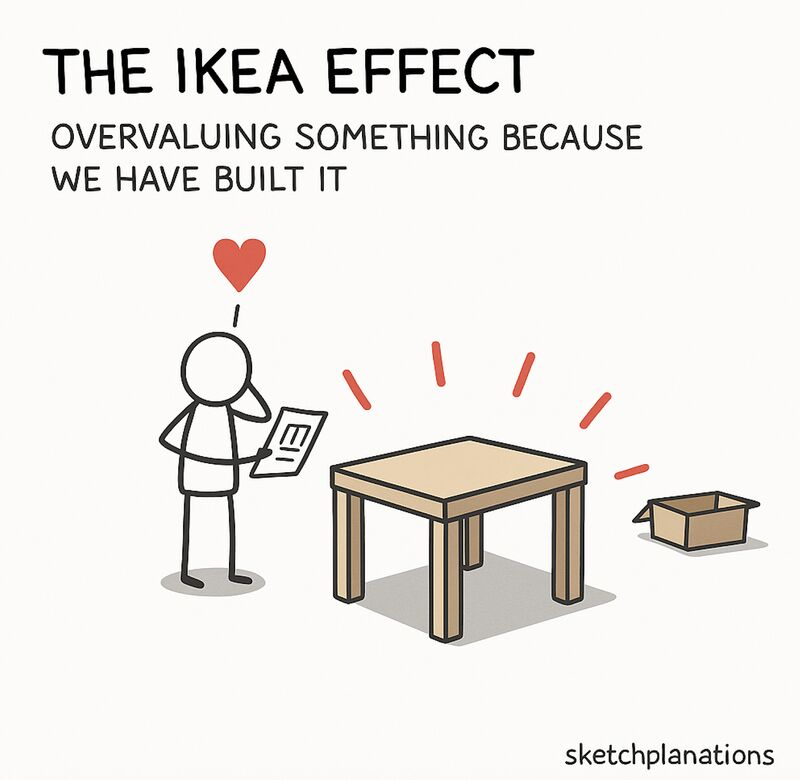
4. The Ikea Effect:

We overvalue things simply because we helped create them.

That wobbly table you built yourself feels more valuable to you than a perfect one from a factory.

Effort creates attachment, not necessarily quality.

Tweet image

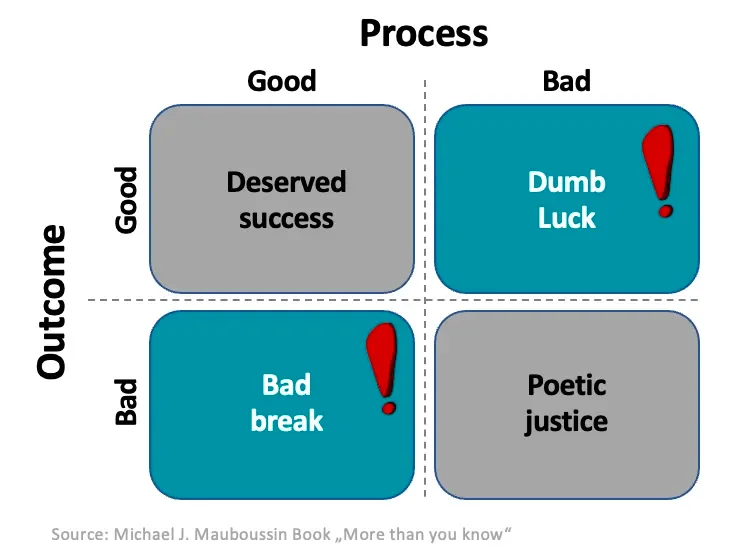
5. Outcome Bias:

We judge a decision based on its result rather than the quality of the decision at the time.

You drive home drunk and arrive safely, so you assume it was a "good" decision. It wasn't.

Don't mistake luck for skill.

Tweet image

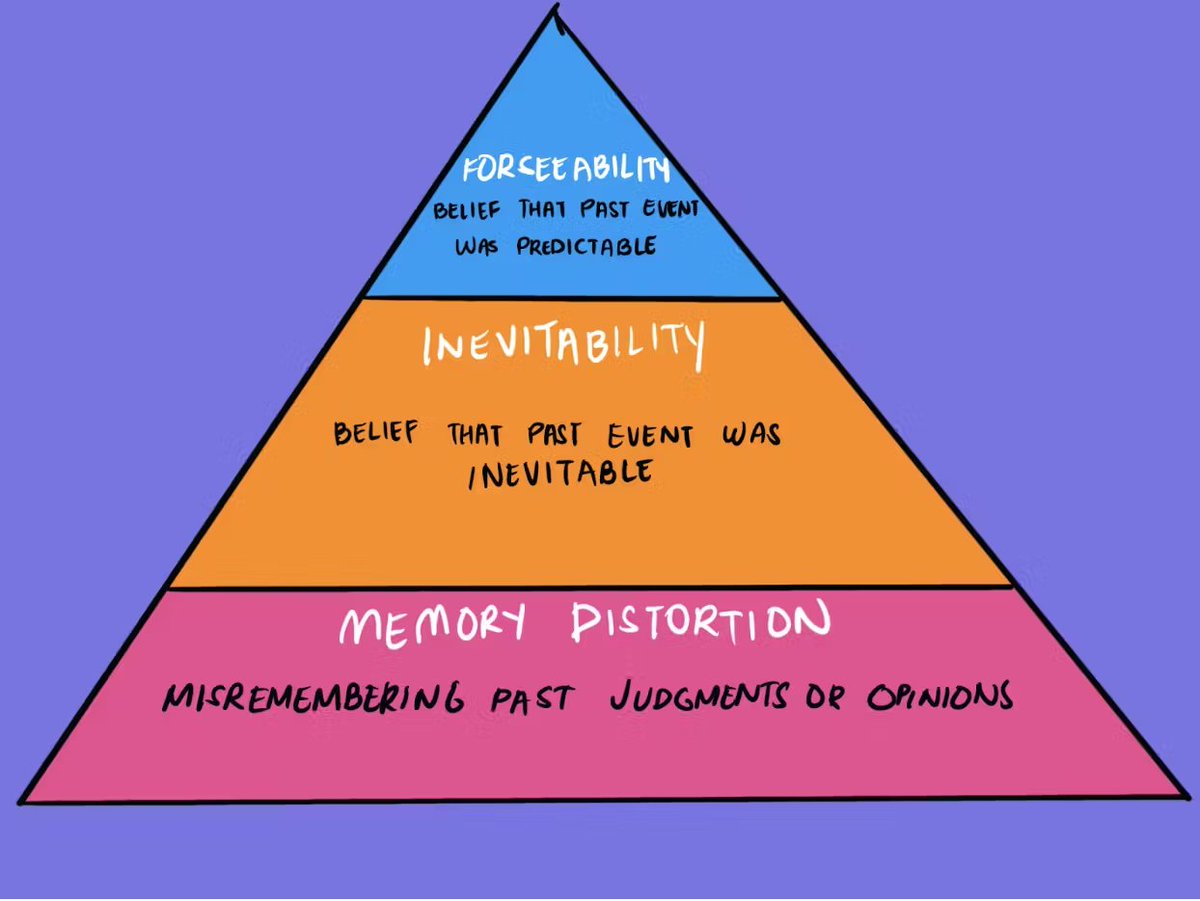
6. Hindsight Bias:

The tendency to see events as predictable after they have already happened.

"I knew the market would crash today!" (No, you didn't, or you would be a billionaire).

Everything looks obvious in the rearview mirror.

Tweet image

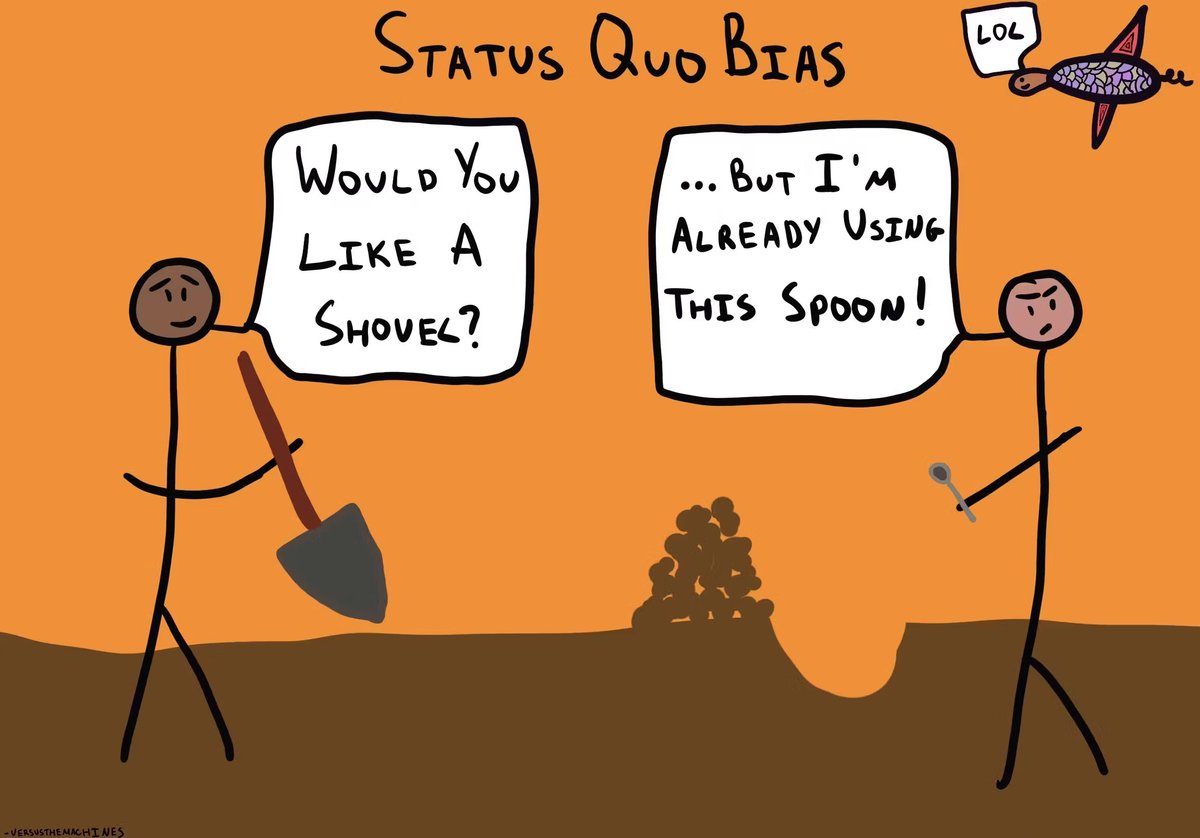
7. Status Quo Bias:

We prefer things to stay the same by doing nothing or sticking with a previous decision.

You stay in a subscription, a job, or a relationship simply because the effort of changing it feels too "risky."

The comfort zone is where dreams go to die.

Tweet image

This thread matters now more than ever:

We are drowning in information but starving for wisdom.

In an age of infinite leverage and AI algorithms, clear thinking is the ultimate unfair advantage.

If you don't master your mind, someone else will.

Tweet image

I’ve curated the 100+ most high-leverage cognitive biases and mental models into a single database.

Stop making the same expensive mistakes.

Start thinking like the top 1%.

Grab your free copy here: ❤️

Thank you for reading this thread.

What’s your ONE big takeaway from this story?

Follow me @GeniusGTX for more threads about the hidden brilliance of ancient civilizations.

Like/Repost the first tweet below to share the wisdom. ↓

Since 2024, we’ve generated 1B+ impressions and 500K+ followers on X.


Tuesday, December 23, 2025

Deep Empathy


Almost nobody knows that Steve Jobs had a secret mentor. His name was Mike Markkula, Apple's first investor. He wrote Jobs a check for $250k because he saw something special in a 21-year-old dropout building computers from his garage. But his money wasn't the real gift... The 8 lessons Markkula taught Jobs shaped everything he built for 34 years ↓ 1) Deep Empathy Markkula taught Jobs to forge an intimate connection with customers, understanding their needs better than they understand themselves and anticipating what they want before they can articulate it. 2) Ruthless Focus Markkula insisted that excellence requires eliminating every unimportant opportunity. Jobs took this to heart: when he returned to Apple in 1997, he slashed 70% of their products to focus only on what mattered. 3) Impute Quality Markkula warned Jobs that people judge books by their covers, so every detail must signal quality. Slipshod presentation creates slipshod perception, which is why Apple obsesses over everything from packaging to the sound of a closing laptop. 4) Obsess Over Perfection Markkula insisted every element must reflect perfection because flaws erode trust faster than features build it. He supported Jobs' refusal to cut corners, even when no one was watching. 5) Think Long-Term Markkula urged Jobs to plan in decades, not quarters. He predicted Apple would hit the Fortune 500 within two years, and he was right. 6) Sell Dreams Markkula reframed marketing for Jobs: sell what technology enables in someone's life, not the specs. This birthed Apple's aspirational campaigns that turned products into movements. 7) Empower Talent Markkula showed Jobs how to unleash brilliant teams by giving them impossible challenges and getting out of their way. Autonomy sparks genius. 8) Build From Passion Markkula told Jobs: "Never start a company with the goal of getting rich. Your goal should be making something you believe in and making a company that will last." These were the blueprint Jobs followed for the rest of his life. Markkula ended up turning his $250,000 investment into $203 million, and his mentorship into a legacy worth trillions.


Subjective reality

  Vijay Upadhyaya @VijayUpadhyaya · 13h @ScottAdamsSays now science says what you have been telling us all along. There is filter through ...